Translational NAMs qualification
Readiness and validation standards for microphysiological systems and organ-on-chip platforms under OECD GD 34.

For federal programs, consortia, and translational science teams establishing readiness standards for New Approach Methodologies.
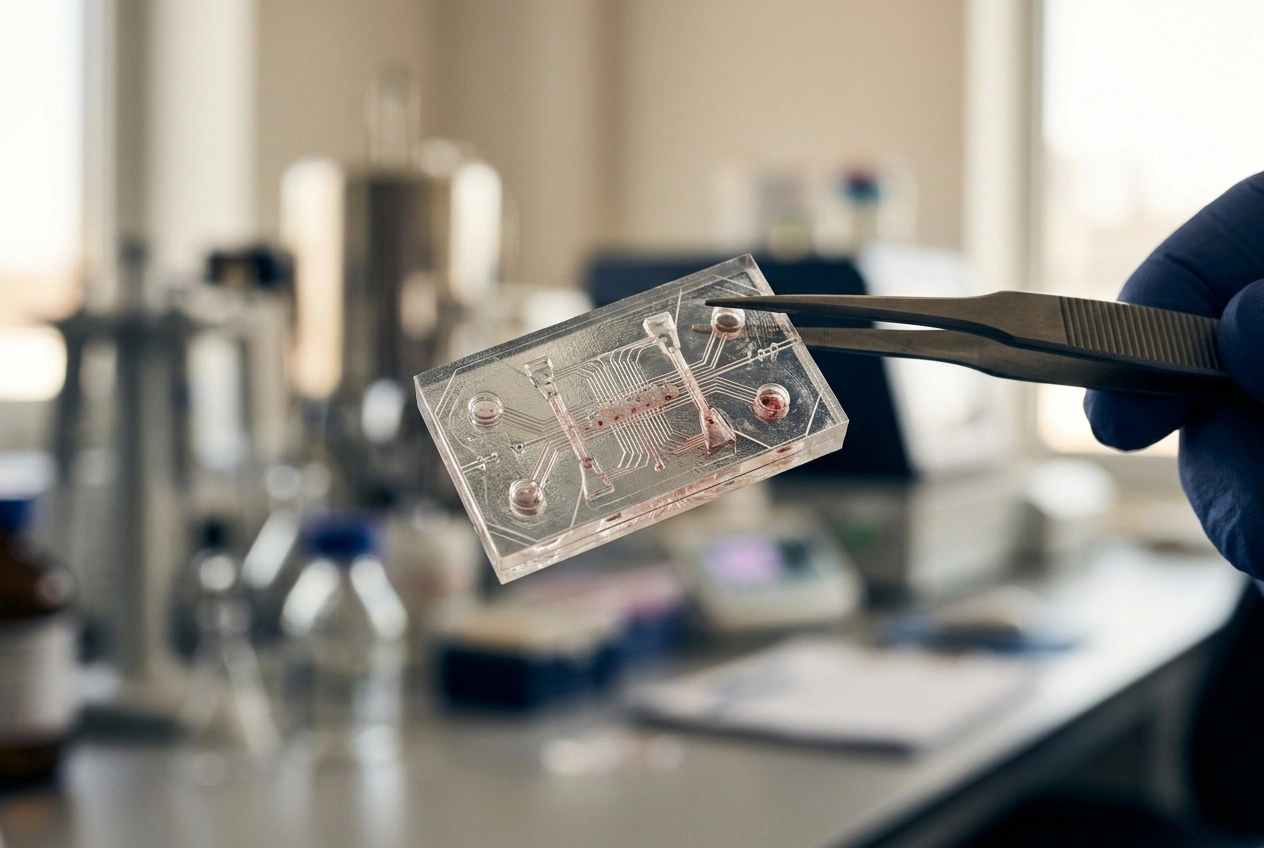
Alternative methods lack standardized qualification benchmarks and evidence frameworks that hold across participating laboratories.
A method that performs in one lab must demonstrate cross-laboratory reproducibility before it can anchor a regulatory pathway.
Programs need structured readiness assessment before committing qualification resources to a method.
Readiness and validation standards for microphysiological systems and organ-on-chip platforms under OECD GD 34.
Structured, non-compensatory evidence frameworks that participating labs can actually execute against.
Comparator design and reproducibility verification across sites, instruments, and reagent batches.
Celbridge serves as a performer on the NIH Common Fund Complement-ARIE program, providing translational readiness assessment within the NAMs Reduction to Practice Challenge.
Leadership sees the whole AI portfolio through evidence, not dashboards of vanity metrics.
Electronic records structured for 21 CFR Part 11 discipline and audit-readiness.
A cheaper or newer route must earn its traffic with empirical evidence.
Every engagement is structured in the evidentiary language these frameworks expect — so the work survives reviewer scrutiny, not just internal approval.

A briefing on translational readiness scoring and cross-laboratory reproducibility standards for microphysiological systems under OECD GD 34.
Prefer to see the work first? Walk through an eight-week pilot, step by step